Book addiction counseling, covered by insurance
Addiction therapists & psychiatrists in Durham, NC


Top addiction and substance use disorder therapists and psychiatrists in Durham, NC
Seeking support for addiction recovery in Durham? Headway offers flexible telehealth and in-person therapy with providers specializing in 12-step facilitation, SMART Recovery, and evidence-based approaches like DBT and ACT. Our network works with your insurance to make treatment accessible while you focus on your healing journey.
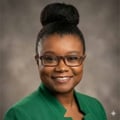
Hello, My name is La Kevia Moore. I have 7 years of experience as a Licensed Clinical Social Worker. I provide therapy for those that need a gentle reminder of their power. I specialize in motivational interviewing, solution-based therapy and CBT.

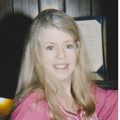


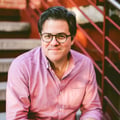
Good to meet you.
Research shows that the single most significant driver of change in therapy is the relationship between the client and therapist. I believe effective counseling requires compassion, acceptance, empathy, trust, curiosity, honesty, and a true sense of connection.
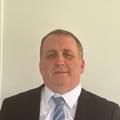
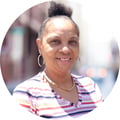




Im Kendra, I have a bachelors in fine art, and I received my Masters in Clinical Mental Health Counseling in 2022. I draw on four years of working in community mental health with folks recovering from substance abuse and behaviors that no longer helpful or are directly harming relationships and mental health. I have lived experience with recovery and loving people struggling with addiction. I have been described as a warm, curious, compassionate, and empowering counselor. I offer trauma‐informed care that is inclusive to all humans, healing happens when you can show up as your authentic and full self!


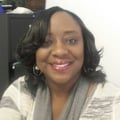
I am a Licensed Clinical Addiction Specialist specializing in co‐occurring disorders. I provides evidence‐based care for individual, family, and group psychotherapy.
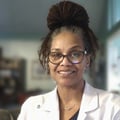
My name is Surayyah James, and I’m a board-certified nurse practitioner in psychiatry. Every person’s story matters, and I’m here to listen, support, and guide you as you work toward greater understanding and peace of mind. My practice is rooted in compassion and respect, offering a thoughtful blend of medication management, therapy, and mindfulness—all tailored to what truly works for you
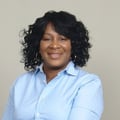
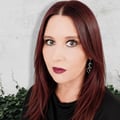


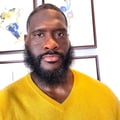



Life has a way of changing us, sometimes in ways we never expected. My passion is helping people navigate those moments with compassion, clarity, and confidence.
As a Licensed Clinical Mental Health Counselor (LCMHC), I believe healing isn't about becoming someone new—it's about reconnecting with the person you've always been beneath the stress, pain, burnout, or life transitions.
Whether you're struggling with anxiety, depression, overwhelming stress, relationship challenges, grief, substance use recovery, or simply feeling stuck, I provide a supportive, judgment-free space where you can be yourself. You don't have to have all the answers before you walk through my door.
My clients often describe me as genuine, compassionate, easy to talk to, and someone who isn't afraid to bring a little humor into the healing process. I believe therapy can be both meaningful and approachable. Sometimes the most powerful moments happen after we've laughed together.
Above all, I want you to know this:
You don't have to navigate life's journey alone.
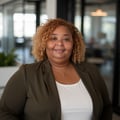

If you're carrying anxiety, grief, past trauma, or a complicated relationship with substances, and you're not sure where to start, you've found the right place. I work with adolescents, adults, and seniors through depression, family conflict, PTSD, domestic violence, and stress that never seems to let up. My path into counseling started in Wayne County schools, working with young people who needed someone genuinely in their corner. That experience planted something I've carried through every role since: people don't need to have it figured out before they ask for help. I went on to work in higher education and community mental health, and I'm especially committed to clients who haven't always felt welcomed or seen in traditional mental health spaces.

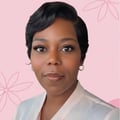
Hey — I'm genuinely glad you're here. I'm Tamika, a Licensed Clinical Mental Health Counselor based in North Carolina. I work with adults, children, and families navigating anxiety, depression, trauma, ADHD, family conflict, addiction, and the kind of stress that builds quietly over time until it's hard to ignore. I specialize in working with Black and BIPOC clients, women, and families who want a therapist who truly gets the cultural and personal context of their lives — not just a clinical checklist. My practice is fully telehealth, so you can access support from anywhere in North Carolina without the commute or the waiting room. I accept Aetna, Cigna, Carelon Behavioral Health, and other major insurance plans, because access to quality mental health care shouldn't be a financial obstacle.


I am a Licensed Clinical Social Worker and Addiction Specialist — and this work is not just my profession, it is my calling. I specialize in supporting individuals navigating substance and behavioral addictions, and I also hold space for something that often goes unaddressed: the family members of addicted loved ones, who carry their own profound pain and deserve their own healing. I am trained in EMDR, Cognitive Behavioral Therapy, Acceptance and Commitment Therapy (ACT), Relapse Prevention, and Self-Compassion practices. But beyond the credentials, here is what I want you to know about me: I believe that therapy is about walking beside you — not directing you, not fixing you — with the quiet understanding that we are all, in our own way, walking one another home. That belief shapes everything about how I show up for my clients.


Are you questioning your relationship with substances or other behaviors, and want to make changes?
Is your child engaging in substance use or other risky/addictive behaviors, and you want to artfully guide them towards healthier decisions, or they’re interested in shifting their use?
Would you like support with creating family screen guidelines that keep your kids healthy, safe, and responsible, while reducing battles over it all?
Are you disconnected from your adolescent and eager for "teen whispering" skills to improve your relationship?
Then I’ve got you!
In the middle of college, at 19, I found myself in rehab, struggling with multiple addictions. This rerouted me from my dreams of Broadway to sparking a 30+ year career in the fields of prevention, early intervention and treatment of substance use disorders and other addictions. I have worked in inpatient and outpatient substance use treatment with adolescents and adults, in therapeutic schools, as a middle and high school counselor, and as a parenting coach.
I’m licensed as a Clinical Mental Health Counselor, Internationally Certified Advanced Alcohol & Drug Counselor, Prevention Specialist, and certified in Digital Health & Wellness. It's also important you know that my own family and close social circle are diverse humans, and I'm comfortable and specially trained to work with LGBTQ+, racial, cultural and religious diversity.



Life is full of transitions, and sometimes those changes can feel overwhelming. Whether you’re navigating anxiety, depression, grief, divorce, a major life change, or rebuilding after incarceration, my goal is to provide compassionate, judgment-free care that meets you where you are. I believe treatment should focus on the whole person—not just symptoms. Together we’ll create a plan that supports your mental wellness while helping you build the life you want, with medication management, therapy, and practical resources tailored to your needs.


About our therapists who can help with addiction and substance use located within 20 miles of Durham, NC


- 100%Substance use / addiction
- 100%Anxiety
- 96%Depression
- 78%Trauma
- 74%Stress management

- 96%Aetna
- 85%Cigna
- 81%Carelon Behavioral Health
- 59%Blue Cross and Blue Shield of North Carolina
- 52%Oxford

- 96%English
- 7%Spanish
- 4%Hindi
- 4%Igbo
- 4%Mandarin

- 96%In-person or online
- 4%In-person only

- 78%Woman
- 22%Man

- 37%Licensed Clinical Mental Health Counselor
- 33%Nurse Practitioner
- 19%Licensed Clinical Social Worker
- 7%Substance Use Disorder
- 4%Medical Doctor

- 96%Individual therapy
- 30%Couples therapy
- 30%Family therapy
- 19%Child or adolescent therapy
Frequently asked questions


Find the right addiction counselor for you
Headway makes it easier to find support for overcoming addiction — from finding the right provider, to understanding costs, to scheduling with ease.
Factors to Consider When Choosing an Addiction Therapist in Durham
Finding addiction therapists in Durham starts with identifying the kind of support that fits your needs. Addiction care can include support for alcohol use, drug use, substance use concerns, gambling, or other behavioral patterns. Some therapists use approaches like motivational interviewing, cognitive behavioral therapy for substance use, or relapse prevention planning. Others may coordinate with a psychiatrist or other prescriber when medication management is part of a person’s care plan.
Durham has a steady network of therapists, with options near central neighborhoods, local campuses, and surrounding areas. Virtual appointments can also expand your choices if office location, transportation, or scheduling makes in-person care harder to fit into your routine. As you compare therapists, look at appointment availability, whether they offer a free phone consultation, and how they describe their approach. A bio that mentions harm reduction, substance use experience, or non-judgmental care can help you decide who may be a strong fit.
Therapy in Durham can be a significant investment without insurance. Using in-network insurance is one of the most reliable ways to lower your session costs and understand what you may pay before care begins. Headway helps you find therapists who accept a wide range of insurance plans, with many accepting new patients and offering clear profiles with direct booking. You can browse therapists, review bios, and book when you’re ready.
If you or someone you know is experiencing severe withdrawal symptoms — especially from alcohol or benzodiazepines — talk to a medical provider or seek emergency care before starting outpatient therapy. If you or someone you know is struggling with addiction or substance use and is in a crisis, immediately reach out to:
* 988 Suicide & Crisis Lifeline — call or text 988 * SAMHSA National Helpline — 1-800-662-HELP (4357), free, confidential, 24/7 * Crisis Text Line — text HOME to 741741
If you're already taking psychiatric medication and considering switching providers, talk to your current prescriber before changing or stopping any medication — most psychiatric medications shouldn't be stopped abruptly. Anyone experiencing thoughts of self-harm or in acute crisis should call 988 or go to the nearest emergency department rather than wait for an outpatient appointment.
Use left and right arrow keys to switch tabs. Press Shift+Tab to return to the tab list from links in the selected tab.