Book addiction counseling, covered by insurance
Addiction therapists & psychiatrists in Aurora, IL


Top addiction and substance use disorder therapists and psychiatrists in Aurora, IL
Addiction support in Aurora connects you with 838 licensed providers experienced in substance use disorder, recovery, and relapse prevention. Access talk therapy and medication management through flexible virtual or in-person sessions, with many patients paying as low as $0 per session through insurance.


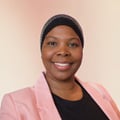

Welcome! Join me on a journey to reclaim your sense of self, direction and empowerment. As a person who has struggled with life's hardships, I am compeled to help others in these difficult times. My credentials include; Licensed Professional Counselor (LCPC), Certified Drug and Alcohol Counselor (CADC) and an Illinois Certified Domestic Violence Professional (ICDVP).

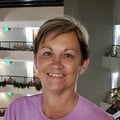


Diana Lankenau has a Master of Science in Nursing from Florida State University and Chamberlain University. She has a Bachelor's in nursing from University of Miami. BA in Psychology from Florida International University. She is Board Certified Psychiatric Mental Health Nurse Practitioner (PMHNP-BC) and Family Nurse Practitioner (FNP-BC).

Often, struggles can become gateways to transformation. Many of the clients I work with are navigating low self-esteem, anxiety, depression, chronic stress, trauma, grief, or major life transitions that leave them feeling overwhelmed, stuck, or disconnected. You may be experiencing racing thoughts, emotional exhaustion, relationship difficulties, loss, or uncertainty about your direction in life. When we begin to explore these experiences with compassion and curiosity, new perspectives and meaningful change can emerge.
I believe telling your story in a safe, supportive space can be deeply healing. I want to hear about your hopes, dreams, challenges, and losses. My goal is to help you better understand your experiences, develop emotional resilience, and move toward greater clarity and self-acceptance. You are not alone, and I am here to walk alongside you as you move forward on your journey toward healing and growth.


I specialize in counseling individuals with addictions, eating disorders, mood disorders, anxiety disorders, and trauma. My goal as a therapist is to help patients live the life they imagine, so please feel free to come in and let me know what you're struggling with, and we will work collaboratively to figure out the best way to move toward healing. I know life can get really challenging at times, symptoms flare up, you feel lost. I'm here to listen to you and work together to help you cope and rebuild the life you want to live.







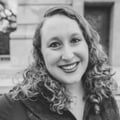



⭐ I’m Shelly Lewin, LCSW/LICSW, a therapist with 31 years of experience helping adults navigate anxiety, depression, trauma, substance use, identity issues, and major life transitions. I provide virtual therapy across Arizona, Florida, Illinois, Kentucky, New Mexico, and West Virginia, offering accessible, evidence‐based care to clients seeking meaningful and lasting change. I have 30+ years of experience in private practice and leadership roles at organizations including:
- The Joint Commission
- Northwestern Memorial Hospital
- Kaiser Permanente
- Common Spirit
- Mount Sinai Health System
This background allows me to offer deep clinical expertise paired with practical, real‐world understanding of how people heal and grow. My approach is warm, collaborative, open‐minded, and affirming. If you're feeling overwhelmed, stuck, or ready for change, I’m here to walk beside you with steady support and clinically grounded guidance. I specialize in therapy for adults experiencing:
- Anxiety & panic disorders
- Depression & mood disorders
- PTSD and trauma recovery
- Substance use and addiction
- LGBTQIA+ affirmative care
- Men’s issues & identity exploration
- Life and career transitions
- Chronic illness & long-term stress
Additional areas of expertise include: Bipolar disorder, OCD, grief & loss, workplace stress, anger management, cultural/ethnic identity issues, expat adjustment, relationship issues, family challenges, and end-of-life concerns






Hi, I’m Gretchen, a board-certified Psychiatric-Mental Health Nurse Practitioner (PMHNP, ANCC) with a Master of Science in Nursing from Lewis University. I work with individuals, teens, and families navigating anxiety, depression, trauma/PTSD, ADHD, and substance use concerns, providing care in both English and Spanish. I bring experience from emergency departments, inpatient units, outpatient clinics, and private practice, and I strive to create a safe, judgment-free space where clients feel heard, respected, and supported. I value collaboration and flexibility, tailoring each session to your needs so you can feel empowered to make meaningful changes.









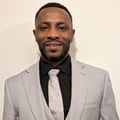

I am a board-certified Psychiatric Mental Health Nurse Practitioner (PMHNP-BC) with over a decade of experience in mental health care, supporting individuals across inpatient and outpatient settings. Through my work, I have cared for clients with a wide range of needs, including chronic and severe mental health conditions, and I understand how overwhelming it can feel to navigate symptoms while trying to maintain daily life.
My care philosophy is centered on partnership. Treatment is not about taking over your care, but about working with you to explore your symptoms, goals, and values. Together, we develop a treatment plan that feels respectful, personalized, and empowering. If you have concerns or hesitations about medication, we will discuss all available options openly and thoughtfully, moving at a pace that feels right for you.
I work with individuals experiencing depression, anxiety, trauma, ADHD, bipolar disorder, schizophrenia, OCD, and other mood and thought-related conditions. During the initial session, we focus on understanding your concerns, reviewing your history, and identifying practical steps toward improvement. Care may include psychiatric evaluation, medication management when appropriate, brief psychotherapy, education, and ongoing support.
I believe mental health care should feel supportive, clear, and collaborative—not rushed or overwhelming.
You do not have to face these challenges alone. My role is to help you reduce symptoms, strengthen coping skills, and regain balance so you can function at your best and move forward with confidence and stability.
About our therapists who can help with addiction and substance use in Aurora, IL


- 100%Substance use / addiction
- 98%Anxiety
- 97%Depression
- 89%Stress management
- 82%PTSD

- 99%Aetna
- 96%Blue Cross and Blue Shield of Illinois
- 93%Cigna
- 92%Carelon Behavioral Health
- 72%Ascension

- 99%English
- 8%Spanish
- 1%Hindi
- 1%French
- 1%Polish

- 86%Online only
- 14%In-person or online

- 69%Woman
- 29%Man
- 1%Non-binary

- 41%Licensed Clinical Social Worker
- 33%Licensed Clinical Professional Counselor
- 11%Advanced Practice Registered Nurse
- 7%Full Practice Authority Advanced Practice Registered Nurse
- 5%Clinical Psychologist

- 99%Individual therapy
- 37%Family therapy
- 29%Couples therapy
- 16%Child or adolescent therapy
Frequently asked questions


Find the right addiction counselor for you
Headway makes it easier to find support for overcoming addiction — from finding the right provider, to understanding costs, to scheduling with ease.
Factors to Consider When Choosing an Addiction Therapist in Aurora
Finding addiction therapists in Aurora starts with knowing what kind of support fits your needs. Addiction care can include support for alcohol use, drug use, compulsive behaviors, relapse prevention, and co-occurring concerns like anxiety, depression, or trauma. As you compare therapists, look for training and listed specialties that match what you want to work on. Some therapists use approaches like motivational interviewing, cognitive behavioral therapy for substance use, harm reduction, or coordination with a prescriber when medication management is part of the care plan.
In a mid-size city like Aurora, you may find a mix of local office-based therapists and virtual options across the surrounding area. Virtual care can expand your choices if you want a specific approach, a therapist with addiction experience, or appointment times that fit your schedule. It may also help to review whether a therapist is accepting new patients, offers flexible scheduling, and provides a free phone consultation. Reading therapist bios can show how they describe recovery, harm reduction, communication style, and experience supporting people with substance use or behavioral addiction concerns.
Therapy in Aurora can be a significant expense without insurance. Using in-network insurance is one of the most reliable ways to lower session costs and understand what you may pay before you book. Headway helps you find addiction therapists, shows estimated costs after you enter your insurance details, and lets you book directly when you find a fit. You can browse therapists, compare bios, and choose care that matches your needs, schedule, and coverage.
If you or someone you know is experiencing severe withdrawal symptoms — especially from alcohol or benzodiazepines — talk to a medical provider or seek emergency care before starting outpatient therapy. If you or someone you know is struggling with addiction or substance use and is in a crisis, immediately reach out to:
* 988 Suicide & Crisis Lifeline — call or text 988 * SAMHSA National Helpline — 1-800-662-HELP (4357), free, confidential, 24/7 * Crisis Text Line — text HOME to 741741
Use left and right arrow keys to switch tabs. Press Shift+Tab to return to the tab list from links in the selected tab.