
At Headway, our mission is to build a mental healthcare system that everyone can access. Today, more than 90,000 therapists, psychologists, and psychiatric providers accept insurance through Headway, across more than 100 health plans, and deliver 20 million hours of care per year through our platform. Along the way, we’ve made it easier for providers to run their practices, with credentialing, billing, an EHR, and telehealth in one place.
We’ve done a lot to make insurance work for providers. But the mental healthcare system in the US is still far too complex, and it’s too hard for patients to find care and stay in it. Across the industry, someone who’s already struggling often starts with a long list of names and credentials that say nothing about who is good at treating what they’re going through. After that comes scheduling hassles, confusing benefits, and bills they didn’t expect. Every step is a reason to give up.
We’re working to eliminate those reasons.
A marketplace built around fit
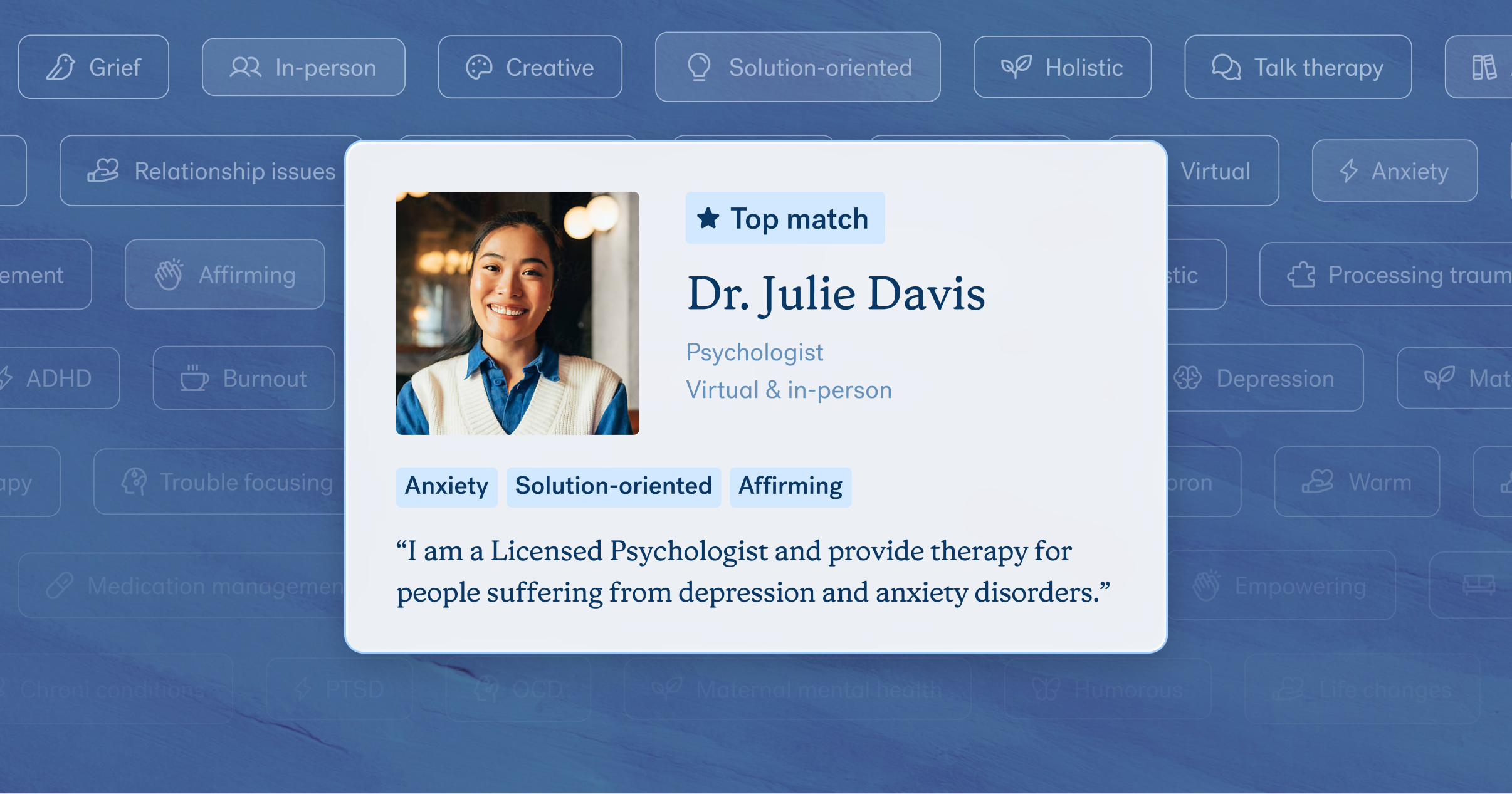
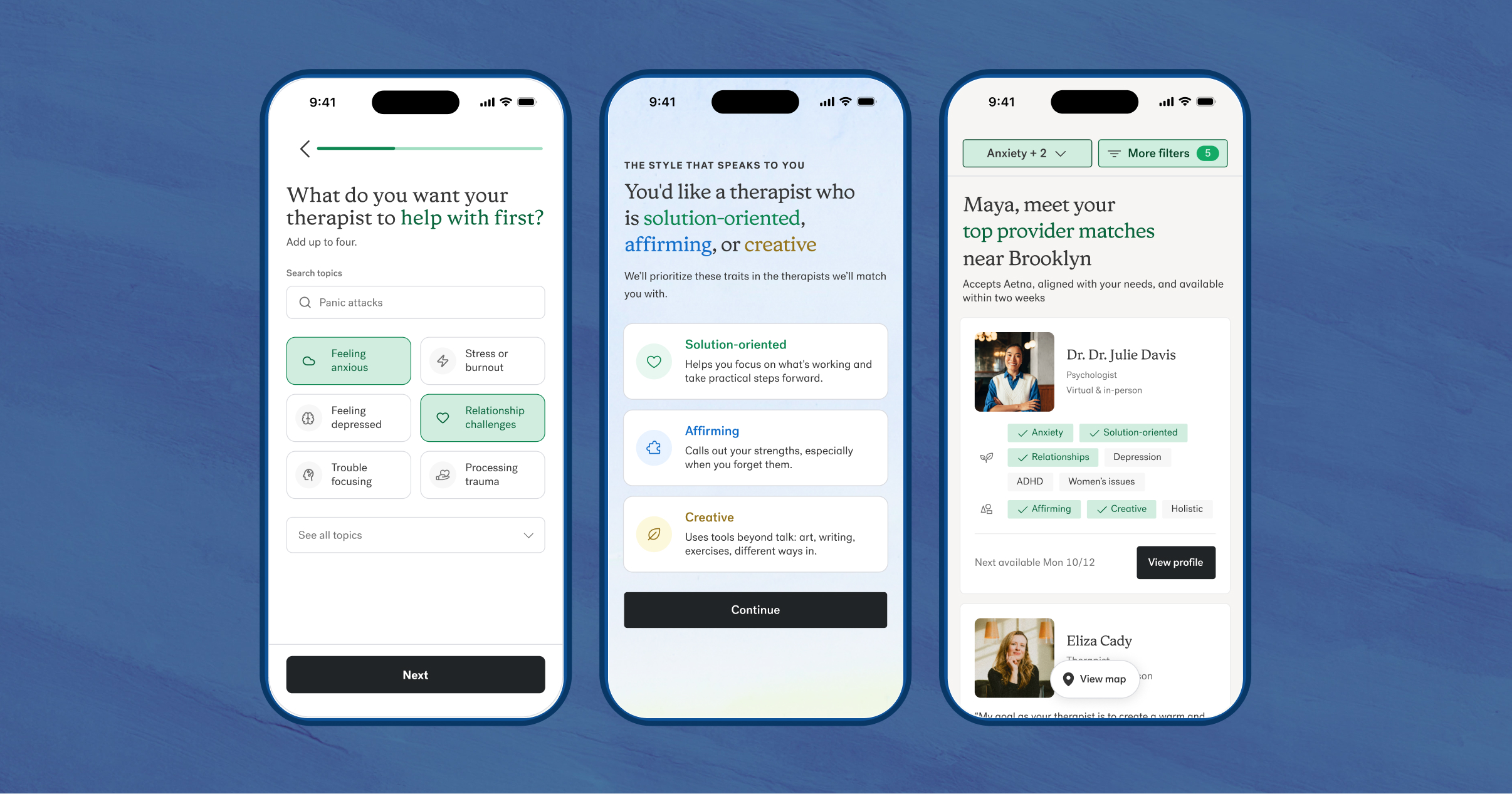
We’re building a patient marketplace where people can find and get care that actually works for them. Unlike directories that simply sort by insurance, location, and specialty, we go further and match on the things that help a patient and clinician connect, like a provider’s approach, background, experience, and style. Some people want a provider who’s direct and pushes them. Others want someone warm who lets them set the pace.
Once someone finds a match, we get them into care quickly. Patients on Headway get to a first appointment in 4.2 days on average, compared with more than 15 days across the industry.
A great patient marketplace serves providers too. Now that we enable them to accept insurance and run their practice through our EHR, the number one thing they ask us for is access to more patients, and specifically the right ones. When the fit is right, patients come back, caseloads fill, and income gets steadier. And providers get to spend more of their time on the reason they got into this field: helping people get better, and seeing it happen.
We think we can build this better than anyone because of the size of our network and what we’ve learned from tens of millions of episodes of care about what helps whom. We’re also spending more on marketing and expanding our partnerships with health systems across the country, so more people looking for care know where to turn.
We’re investing more than $150 million a year into marketplace improvements, marketing, health system partnerships, support, and more, all to connect patients in need with the care they need most. In 2027, we will significantly increase our spending to bring providers access to more patients. To support this, over the coming months we will be adding a $9.99 fee for providers on each appointment with a patient who finds them through our marketplace.
Our new patient app: great care at your fingertips
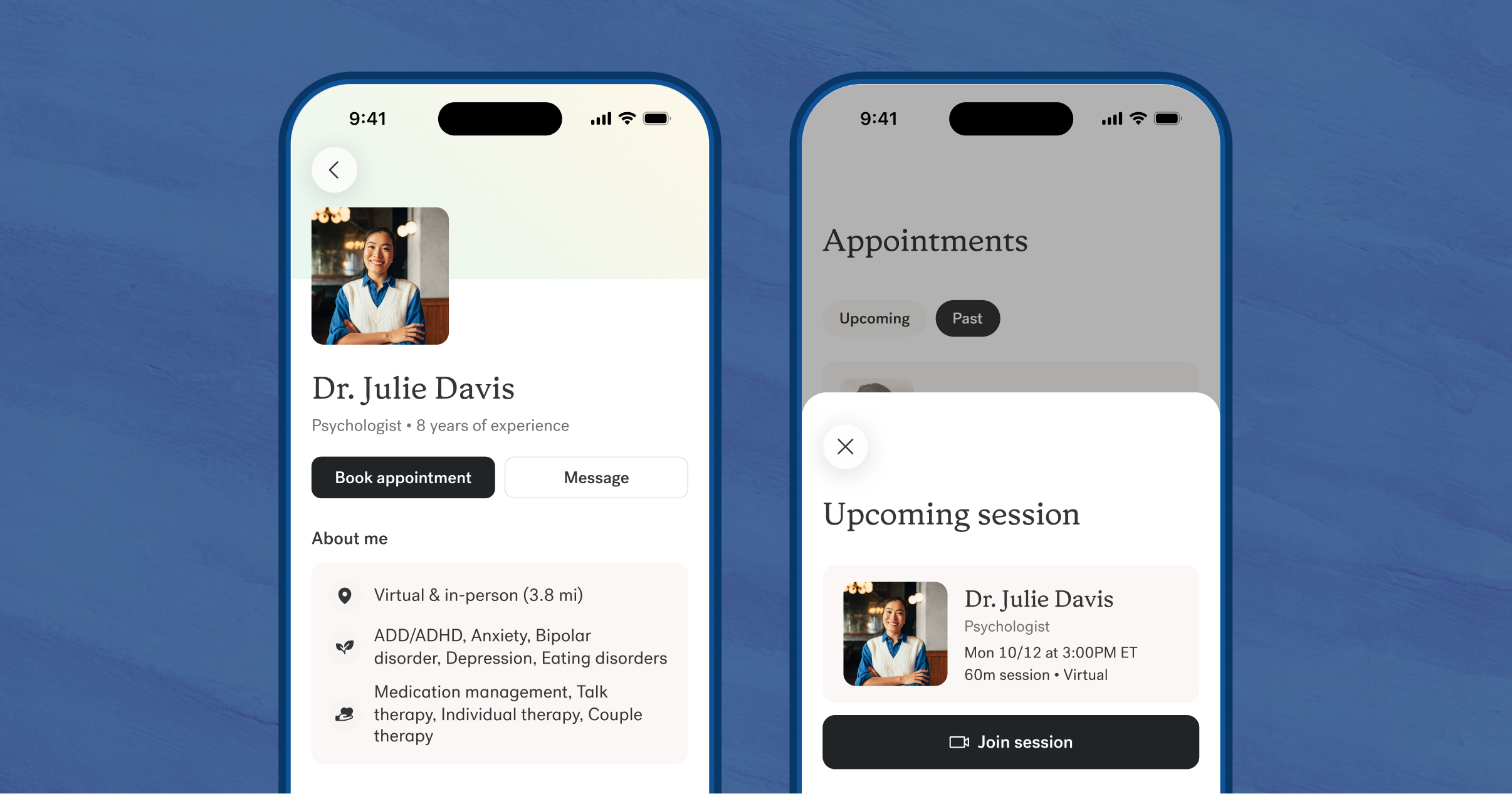
We just launched Headway’s first patient app, available now on iOS. Patients can now book appointments, message their provider and get a notification when they reply, get reminders before upcoming sessions, join a Headway telehealth session in one tap, and rebook with their provider. They can also see what their care will cost, including progress toward their deductible. It puts the logistics of care in one place, so patients can focus on the care itself.
More than three-quarters of patients said they’d rather manage their care from their phone than anywhere else, so we will continue to add new features and capabilities to the app to make it easier for patients to find and get care all in one place.
Better tools for the providers delivering care
Therapy works because of the people who provide it, so we keep building tools that give them time back to focus on helping their patients get better. Credentialing, billing, our optional EHR, and telehealth all remain available at no additional cost. Here’s what’s new and coming soon:
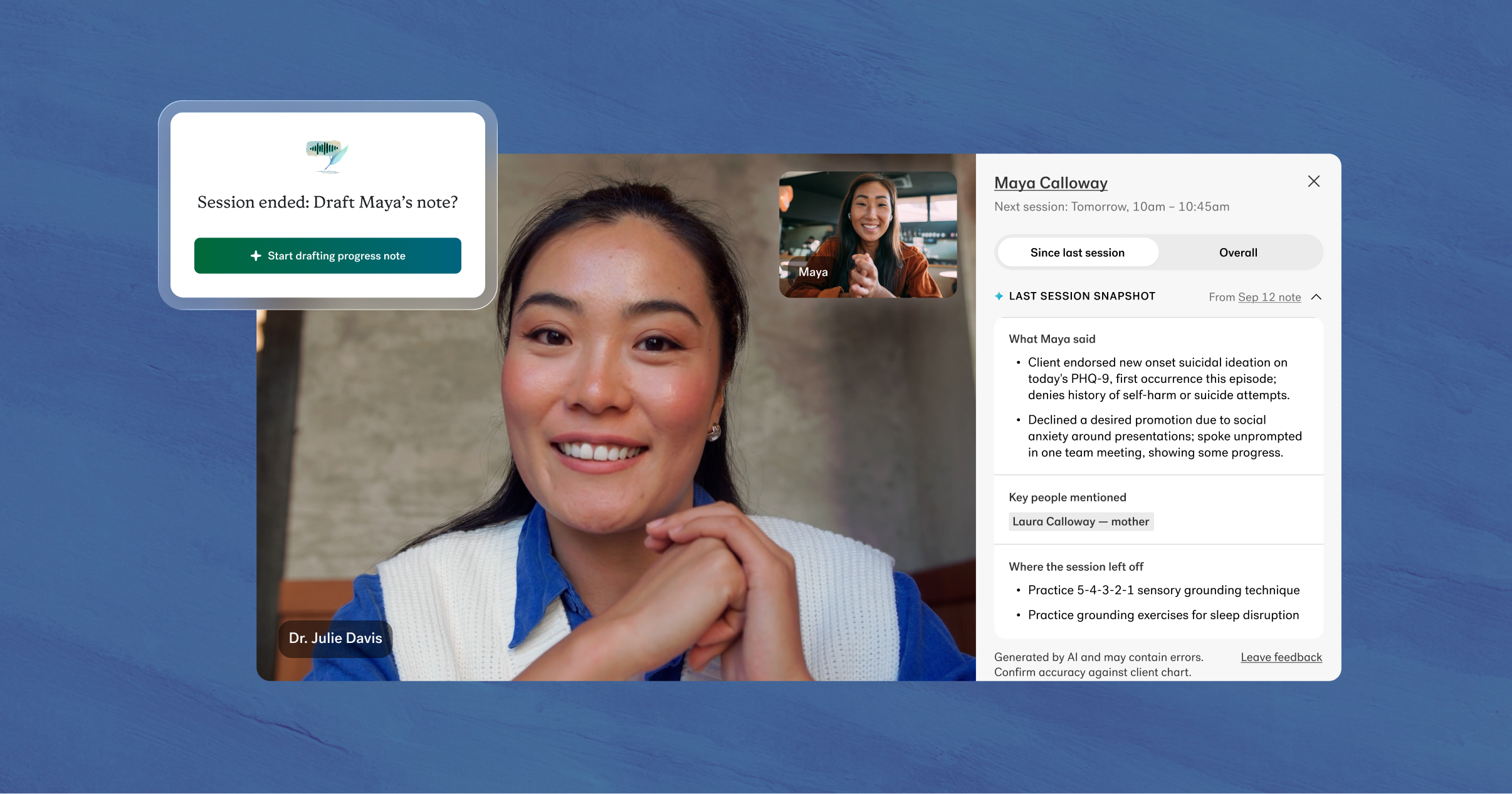
- A session prep sidebar. Before a session, providers will soon see a patient’s key details at a glance, including highlights from the last session, treatment goals, assessments, and billing status, so providers can pick up right where they left off.
- Headway Scribe for more note types. This year we introduced Headway Scribe to help providers draft notes for ongoing sessions. Documenting with Headway Scribe is 78% faster than writing notes by hand, and notes drafted with it keep the clawback protection that comes with our note templates. More than half of Headway providers have used Headway Scribe, and 9 in 10 who try it keep using it. Next, we’re expanding it to more note types, starting with intake notes. Providers choose how to use Scribe and nothing goes into the record until the provider reviews it. It’s opt-in for each patient and can be turned off anytime.
- Telehealth on Zoom. Sessions will run on Zoom, the same reliable, HIPAA/BAA-compliant technology behind millions of healthcare calls around the country, so video is more reliable and setup is faster for patients and providers.
We build these tools based on what providers in our network tell us they need, and we have many more in the works to help them spend less time on admin and more time with their patients.
Together, we can prove that care is working
Our goal is for every patient on Headway to get better. People who find the right provider early, and whose progress is tracked, are less likely to end up in crisis, in the ER, or in a hospital bed. Knowing whether someone is improving helps providers adjust care sooner, and it helps us learn what works for whom.
Health plans want to see that too. As more people get care, they want proof that it’s helping. If we can show them, they have every reason to pay for better care for more people.
So we’re making two things standard on Headway. When adults start care, most will fill out a clinically validated short symptom assessment, like the PHQ-9 for depression or the GAD-7 for anxiety, as clinically appropriate, plus at least one follow-up each year. That yearly follow-up is the minimum for every patient. Providers decide how often to reassess, and which measures fit, based on what they know about each person they treat. That gives patients and providers a shared picture of progress over time.
And once a year, every provider will have a sample of their notes reviewed. This replaces ad hoc note reviews Headway has run in the past. We check notes against standards for patient safety, clinical best practices, and billing, and work with providers to close any gaps, so care on Headway stays safe and consistent. That same evidence helps make the case for health plans to keep covering mental health care, and helps protect what providers are paid.
Built around one goal: people getting better
Patients, providers, and health plans don’t always want the same things, but they share one goal: people getting better. Everything above connects to it. A good match keeps someone in care. Staying in care creates progress we can see. That progress keeps health plans covering mental health care, which keeps care affordable for patients and keeps providers paid for their work.
That’s the mental healthcare system we set out to build in 2019: one everyone can access, and one that works for the people in it. These changes move us closer.
For more details on the changes we announced to providers today, see here.